


Property Appreciation in Cancún Hotel Zone: Data, Projections and Opportunities 2026
Datos verificables, comparativas y proyecciones de plusvalía en la Zona Hotelera de Cancún, y cómo desarrollos frente a la Laguna Nichupté como One Laguna capturan valor en 2026.
Cancún Capital Appreciation: Data, Projections and Opportunities 2026
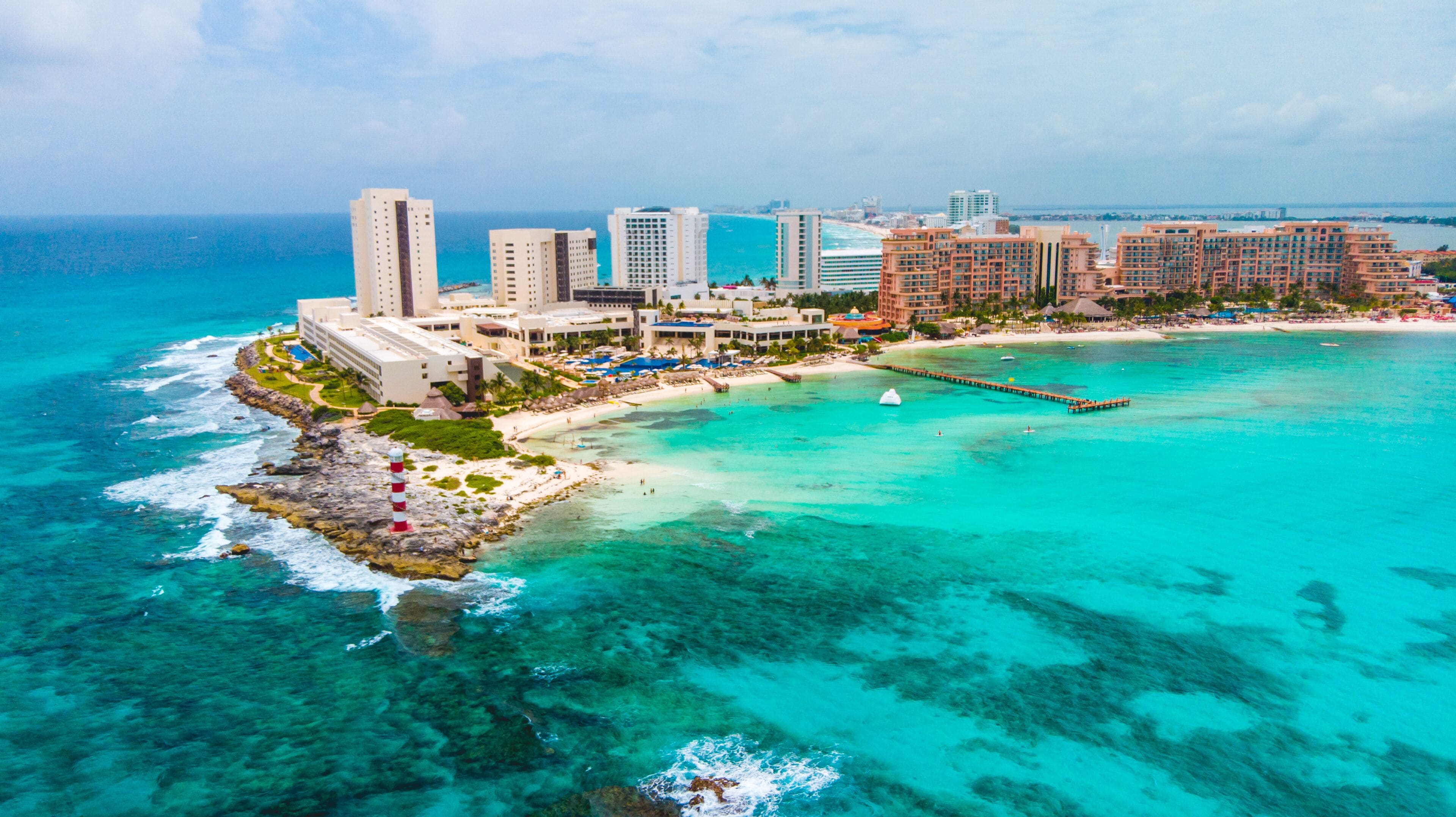
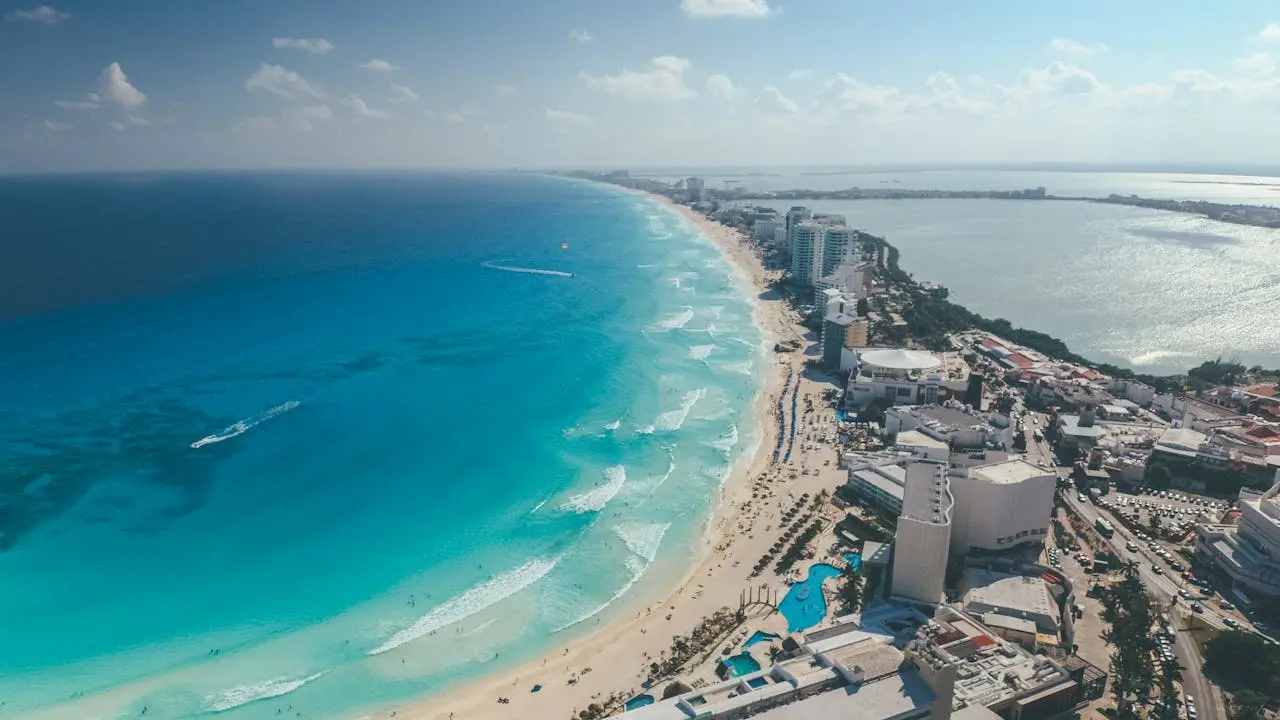
Property appreciation in Cancún has become one of the defining themes for anyone analyzing Mexico's resort real estate market. The Cancún Hotel Zone, in particular, brings together international connectivity, year-round vacation demand and an extremely limited supply of waterfront land — a combination that has historically sustained its appeal for long-term investors.
Looking ahead to 2026, the opportunity extends beyond traditional wealth preservation. It also opens the door for those seeking investment in the Cancún Hotel Zone with an eye toward appreciation and rental income potential. In this context, luxury lagoon-front developments like One Laguna, with 207 residences in the La Isla District, are well-positioned to capture value through design, location and product scarcity.
What Is Property Appreciation and Why Does It Matter in Cancún?
Property appreciation is the increase in the value of real estate over time. In simple terms, it is the positive difference between the purchase price and the future market value — driven by factors such as location, infrastructure, demand and the broader economic environment.
In Cancún, this concept takes on special relevance because of the nature of the destination. The city is not only one of Mexico's premier tourist hubs but also a market with strong demand for second homes, vacation rentals and luxury residences from both domestic and international buyers. That combination makes Cancún's real estate market a compelling case for long-term property performance.
The Data Behind the Destination's Strength
Beyond perception, there are verifiable figures that help explain why Cancún sustains its appeal. During 2024, Cancún International Airport handled 30,411,520 passengers according to its operator ASUR, and the state of Quintana Roo welcomed approximately 20 million tourists based on data from Mexico's Federal Tourism Ministry and the state tourism observatory. Average hotel occupancy hovered around 80% for the year.
The Hotel Zone, in particular, tends to outperform other areas for three structural reasons:
- Geographic scarcity: the established waterfront is limited and cannot be replicated.
- Year-round tourism demand: Cancún maintains visitor flow throughout all seasons.
- Aspirational product: luxury buyers value views, privacy and world-class amenities.
When analyzing property appreciation in Cancún from a structural perspective, it becomes clear this is not a short-term phenomenon but a trend tied to the destination's international positioning. It is worth noting that no return is guaranteed — appreciation depends on micro-location, project quality and market cycles.
How Cancún Compares to Other Mexican Markets
Compared to other high-growth real estate markets in Mexico, Cancún offers a structural advantage: its market does not depend solely on the local economy but on the global tourism industry.
Monterrey
Known for its industrial activity and corporate demand. Its real estate performance can be solid in established neighborhoods, but it is more closely tied to regional economic cycles and urban housing absorption.
Mexico City
Offers market depth and liquidity, though with more moderate returns in prime areas due to higher entry prices and lower percentage growth in certain mature segments.
Playa del Carmen and Tulum
These Caribbean destinations have seen rapid growth, but also greater volatility in some micro-zones due to oversupply or infrastructure still under consolidation. Cancún, by contrast, has a more mature urban and tourism base, which supports a more stable long-term outlook.
In this landscape, investment in the Cancún Hotel Zone stands out for balancing liquidity, location prestige and consistent demand. For many investors, that represents a more defensive profile within the luxury market.
Factors That Will Continue Driving Value Through 2026
The value outlook for Cancún does not depend on a single variable. Several forces sustain the trend and, taken together, strengthen the real estate opportunity.
1. International Tourism and Sustained Occupancy
Cancún welcomes tens of millions of visitors each year and maintains world-class air connectivity with the United States, Canada, Europe and South America. That constant flow supports vacation rentals and elevates interest in premium properties.
2. Infrastructure and Connectivity
Ongoing improvements to roads, services and urban amenities reinforce the destination's appeal. In the Hotel Zone, projects like the new vehicular bridge over Nichupté Lagoon aim to improve mobility and internal connectivity — a factor that typically has a positive effect on nearby property values.
3. Tren Maya and Regional Impact
The Tren Maya railway has generated expectations of greater connectivity across southeastern Mexico and a redistribution of tourism toward various regional hubs. While its impact varies by area, Cancún benefits as the primary gateway to the Mexican Caribbean, reinforcing its role as a tourism and investment hub.
4. Limited Supply in Prime Locations
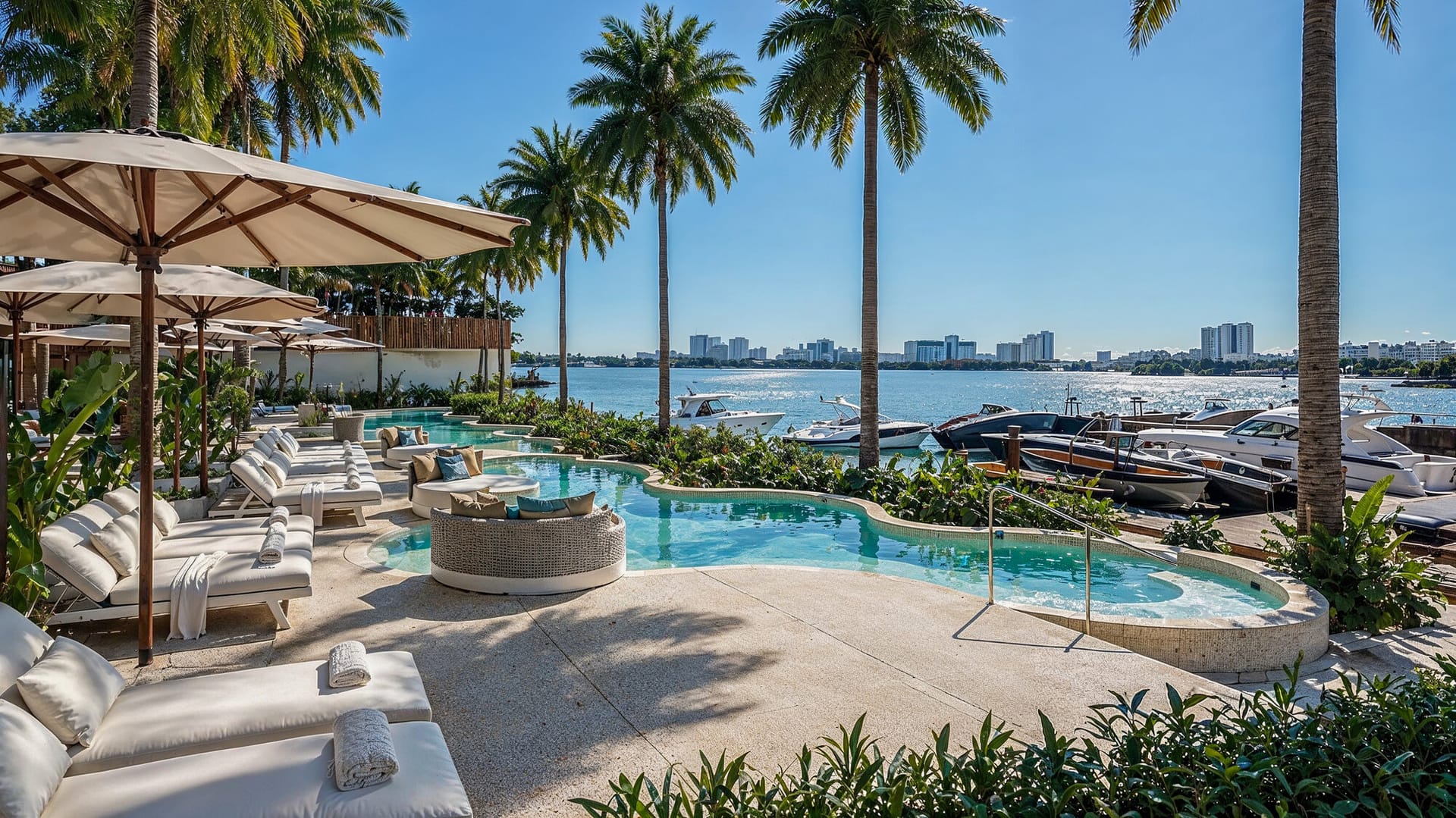
In the Hotel Zone, the availability of developments with established waterfront is naturally restricted. That scarcity elevates the potential for value capture over the medium and long term, especially when the product offers distinctive attributes such as a private marina.
5. Luxury and Second-Home Demand
High-net-worth buyers seek experiences, privacy and comprehensive amenities. In this segment, locational value tends to carry more weight than in other markets, which favors the appreciation of iconic projects.
Investment Opportunities in 2026
The year 2026 is shaping up as a period of consolidation for Cancún's premium market. For investors, the focus should be on assets capable of preserving value while generating appeal for rental or resale.
The strongest opportunities tend to be concentrated in properties that meet these conditions:
- Lagoon-front location or established first-line waterfront.
- Contemporary architecture and high-end amenities.
- Scarcity of comparable inventory in the area.
- An aspirational residential brand or concept.
- Suitability for vacation rentals or extended stays.
In other words, the investment should go beyond price per square meter (or square foot). The true differentiator lies in acquiring an asset that participates in the structural growth of the destination.
How Projects Like One Laguna Capture Value
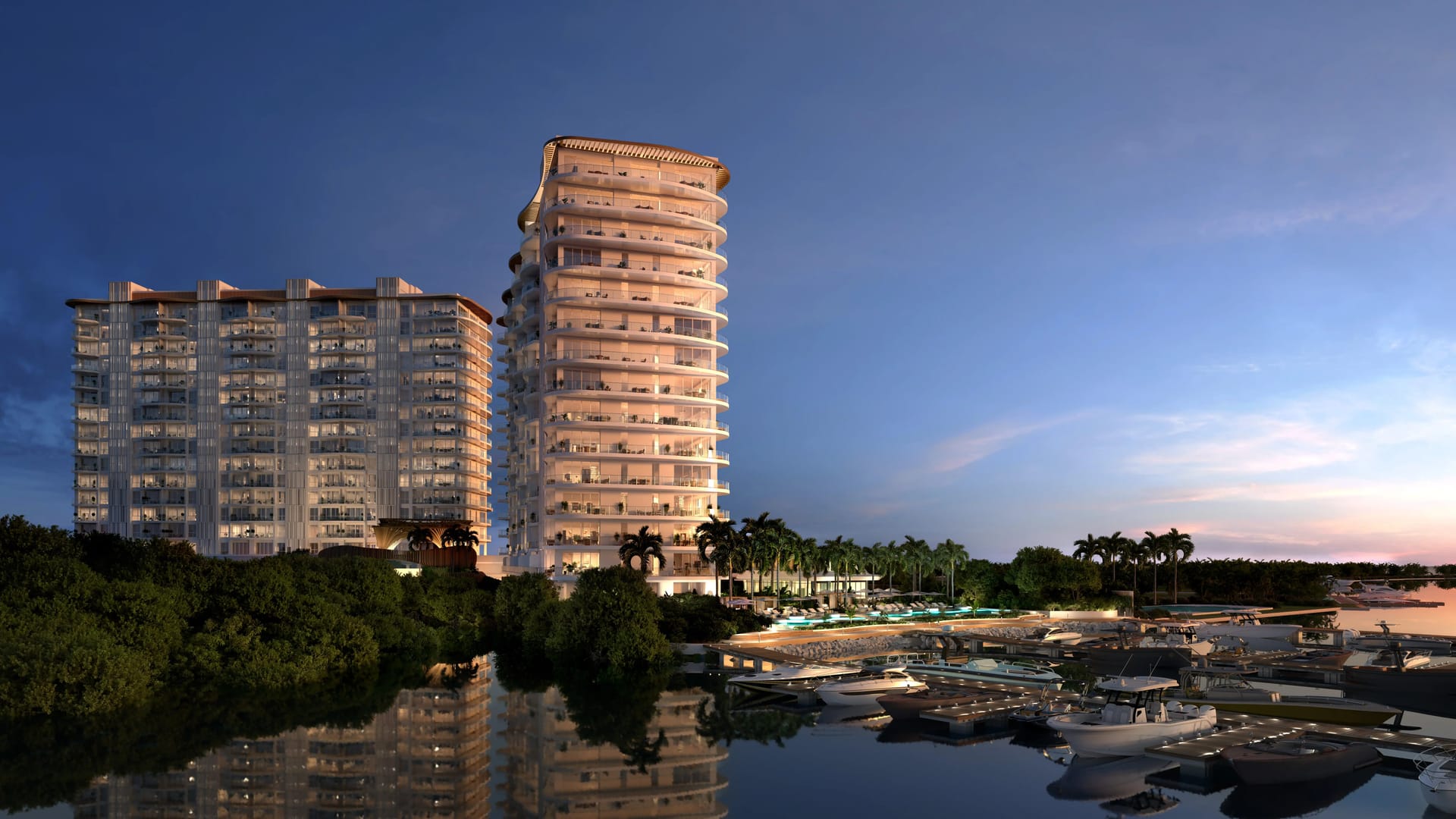
Luxury waterfront developments hold a strategic advantage: they convert location into a barrier to entry. One Laguna, developed by Grupo Dimac with architectural design by the firm HKS, comprises 207 residences across two towers, Torre Marina and Torre Isla, facing Nichupté Lagoon in the La Isla District, and features a private marina as a defining differentiator.
This type of project captures value through several channels:
- Scarce product: very few comparable developments offer lagoon frontage and a private marina.
- Aspirational value: buyers pay for lifestyle, views and exclusivity.
- Future liquidity: a well-located property typically enjoys stronger resale potential.
- Rental upside: Cancún's tourism profile supports strong occupancy rates.
In areas like the La Isla District, value is generated not only by the passage of time but by a project's ability to remain desirable amid increasingly sophisticated demand. That is where developments like One Laguna can become benchmarks for investors seeking exposure to the destination's growth.
2026 Outlook: What Can Investors Expect?
If current conditions hold, Cancún will continue to show favorable performance in terms of demand and appreciation. The recommendation for anyone analyzing property appreciation in Cancún with a medium- to long-term horizon is clear: prioritize assets in consolidated zones with real scarcity and proven demand. The Hotel Zone and, in particular, the Nichupté Lagoon waterfront offer precisely those conditions.
In this environment, the opportunity is not simply about buying in Cancún but about buying where the market recognizes value most consistently. And that explains why investment in the Cancún Hotel Zone continues to attract buyers who seek to preserve capital and participate in the growth of the Mexican Caribbean.
Sources
Cancún Airport, 2024 passenger traffic: Grupo Aeroportuario del Sureste (ASUR). Quintana Roo tourist arrivals and hotel occupancy 2024: Mexico's Federal Tourism Ministry (SECTUR) / Datatur and the state tourism observatory. Nichupté Lagoon vehicular bridge and "Manglares de Nichupté" Natural Protected Area: official information from corresponding federal authorities.
Recommended reading
- Investing in Cancún: Complete Luxury Real Estate Guide 2026 — Everything you need to know before investing.
- Geographic Diversification: Why Mexico Is the New Haven for Wealth — The Mexican Caribbean as a pillar of a global portfolio.
- Smart Money Returns to the Caribbean — Cancún real estate market analysis.