
Open spaces as breath: the geometry of well-being
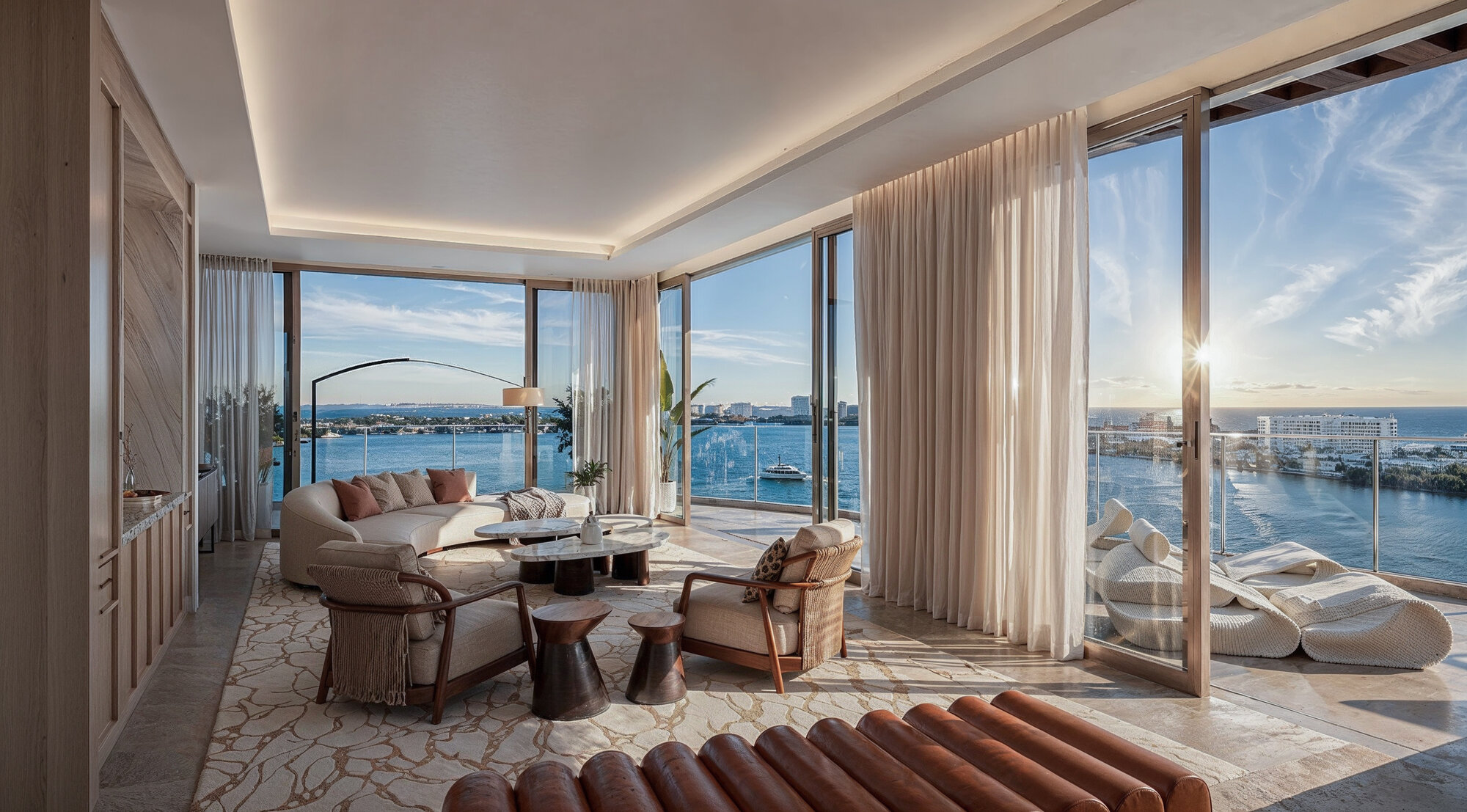
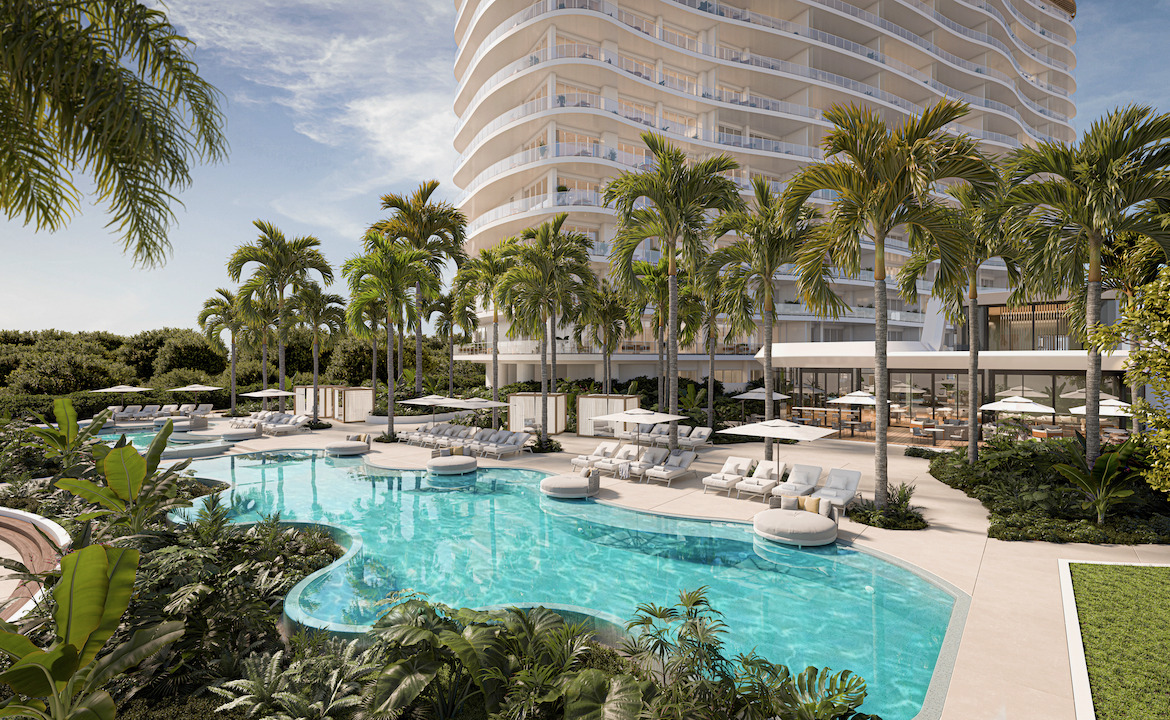
Every open space at One Laguna was designed respecting the golden ratio and human scale.
Open Spaces as Breath: The Geometry of Well-Being
In luxury living, space is more than just a place to be—it shapes how we feel and think. Our surroundings affect our calm, energy, and overall wellness. At the heart of this idea is proportion. This concept is not mystical but based on how our brains naturally understand space.
How Proportion Affects Our Well-Being
Proportion matters because it influences how our brains respond to the spaces around us. We naturally notice the size and shape of a room. Well-balanced spaces help us feel relaxed and open. On the other hand, cramped or awkward areas can cause stress and discomfort.
The key is the relationship between height, width, and length. When these dimensions are balanced, a space feels natural and welcoming. This harmony connects to deep patterns in our subconscious mind.
Consider a room where the ceiling rises just enough to invite the eye upward without overwhelming. The width allows for movement and interaction, while the length offers perspective and depth. These measures, when aligned, create a rhythm that soothes.
This sense of balance is not arbitrary. It echoes the ancient understanding of sección áurea, or the golden ratio, which has informed architecture and art for centuries. The human brain resonates with this ratio, finding comfort in its predictability and natural order.
Learn more about the importance of balanced space in luxury homes.
The Golden Ratio: Nature’s Formula for Beauty and Harmony
One Laguna brings this idea to life with modern luxury design. It uses the golden ratio, about 1.618, a number known for creating beauty and balance. This ratio appears everywhere in nature—in seashells, flower petals, and even human faces.
Why does the golden ratio feel so pleasing? Our brains see it as a sign of order and harmony. Spaces designed with this ratio create a deep sense of well-being that goes beyond what we notice consciously.
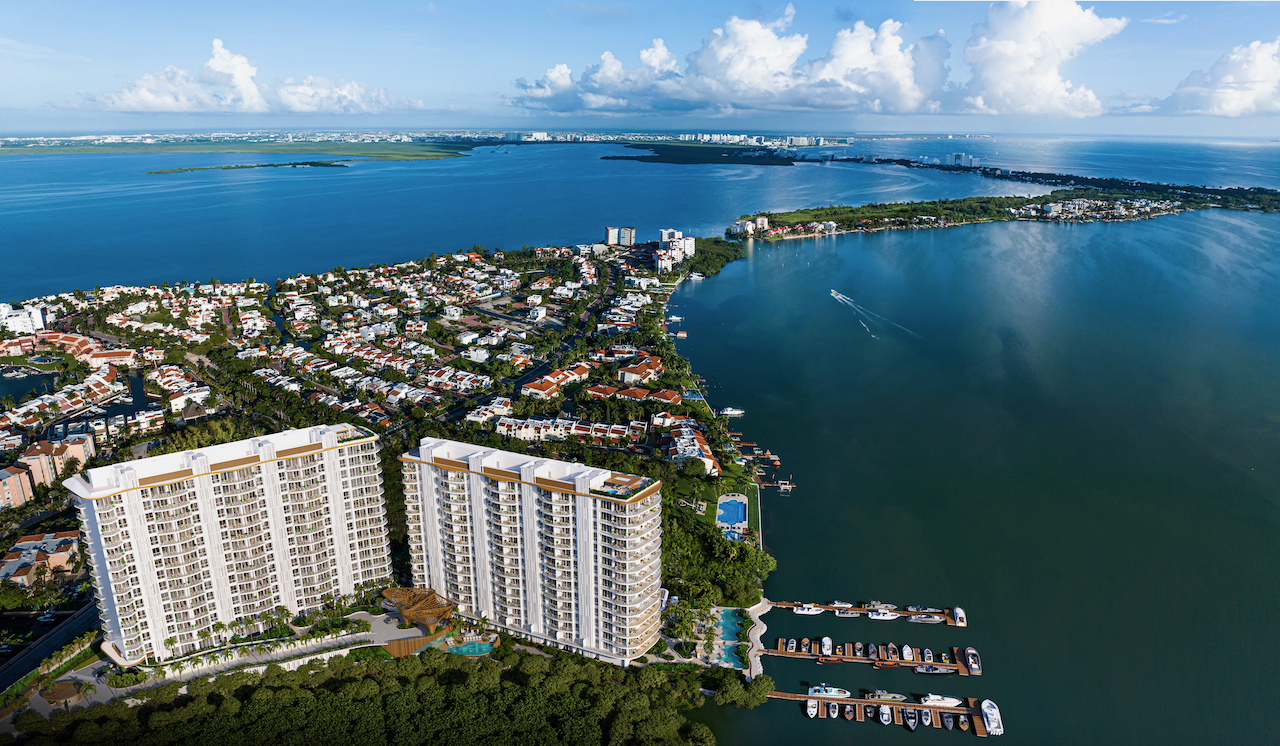
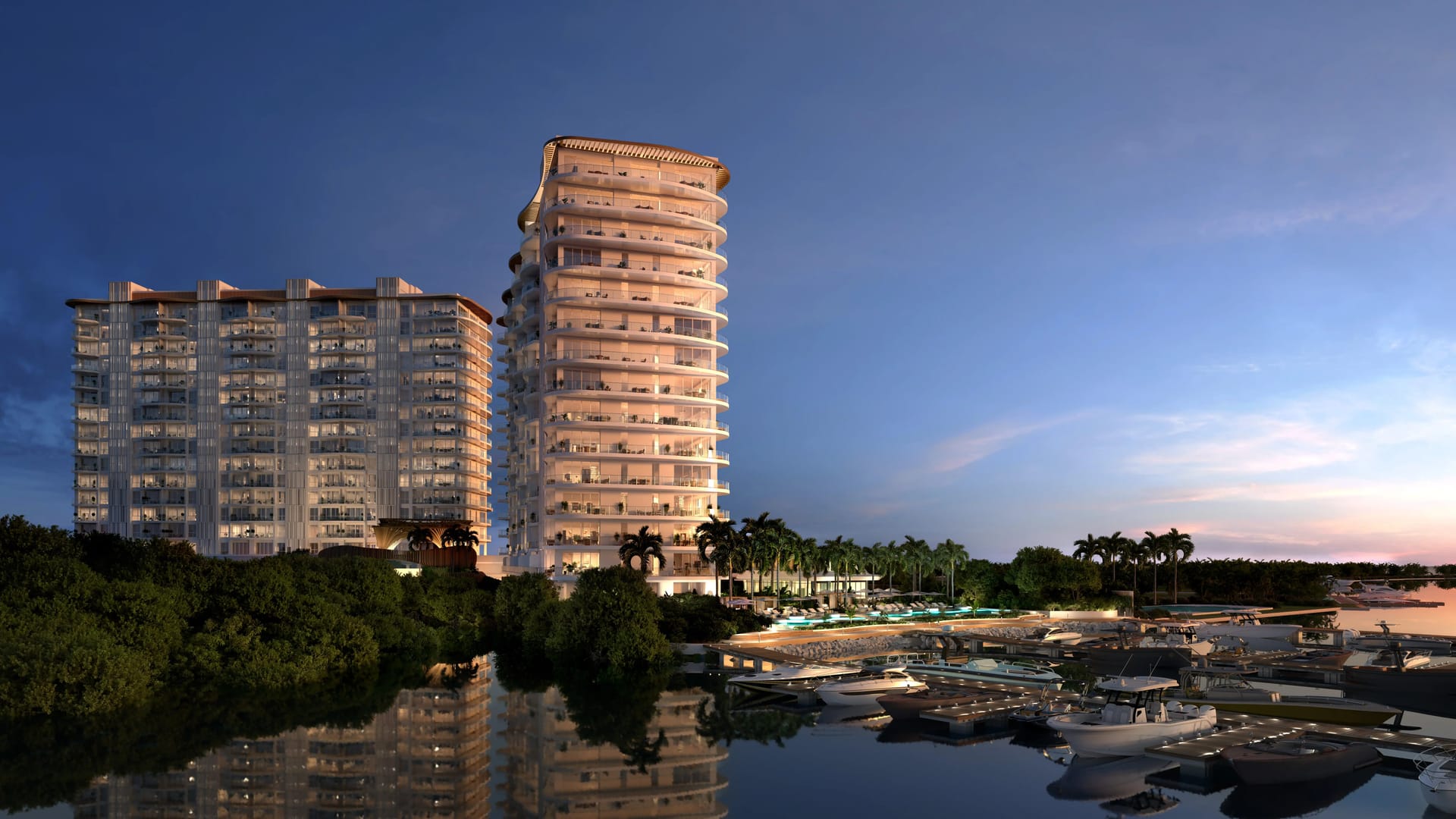
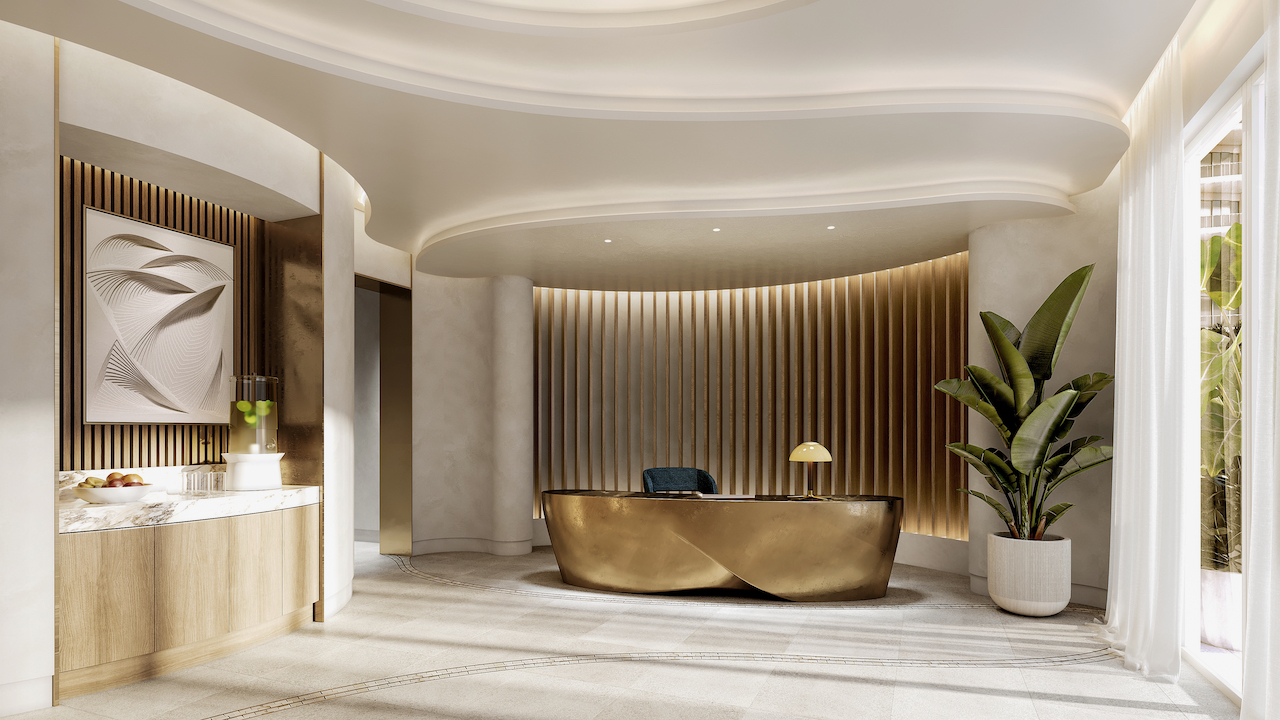
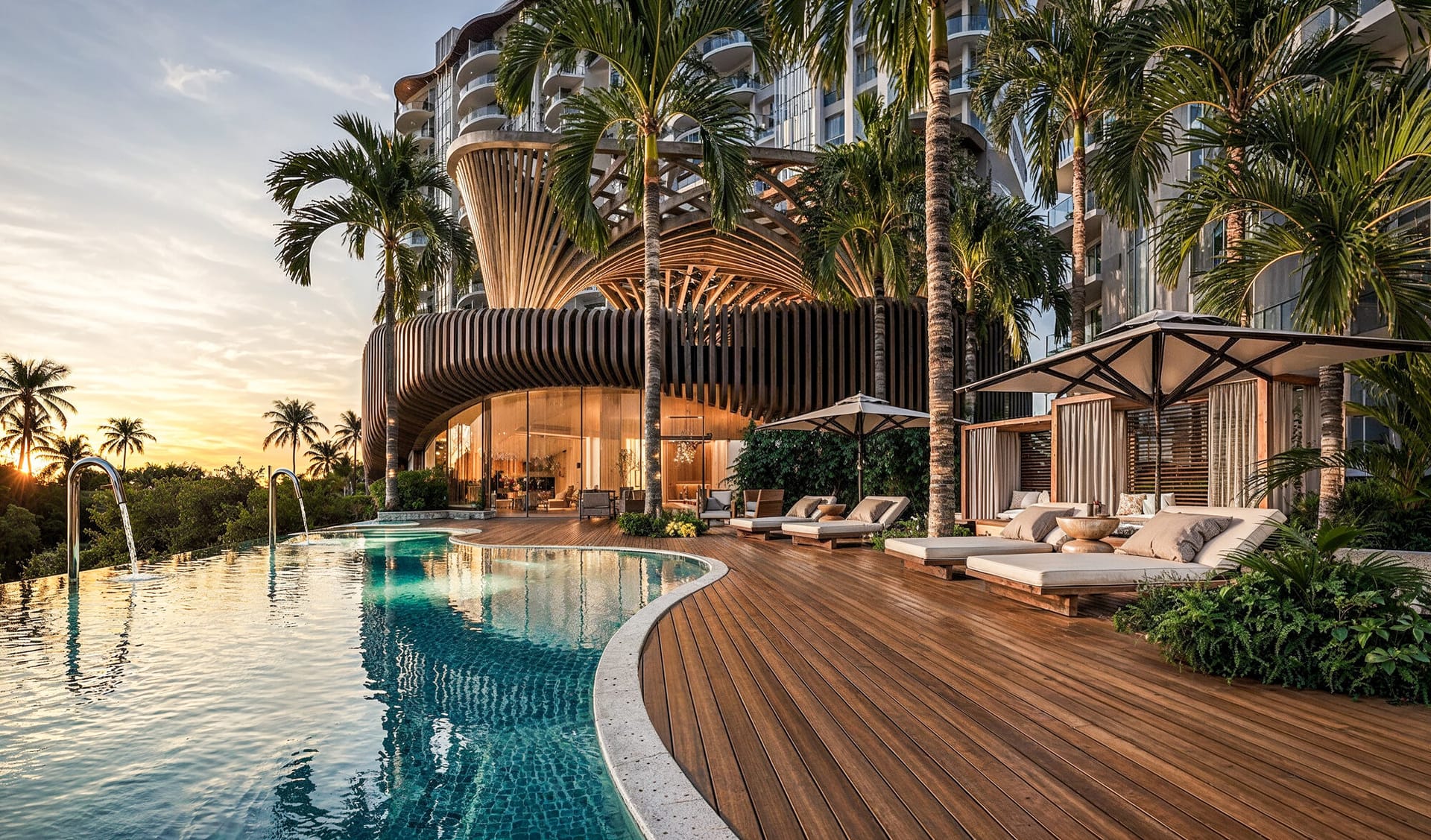
In One Laguna, the golden ratio guides everything—from the proportions of the facades to the layout of interior spaces. This is not decoration but an intrinsic geometry that shapes how light filters through rooms, how views frame the surrounding lagoon, and how materials meet in quiet elegance.
This sacred geometry has roots in cultures around the world, from Greek temples to Mayan pyramids. It forms a bridge between nature and human creation, reminding us that architecture can be both art and refuge.
Discover how One Laguna incorporates the golden ratio in its architecture.
Architectural Spaces That Connect with Our Emotions
This principle applies not only to luxury homes but also to everyday city spaces. Plazas, hallways, and docks are designed with specific proportions to influence how we move and feel.
- Plazas have open, inviting sizes that encourage socializing and slow movement. Their geometry invites gathering without crowding, fostering community in a natural way.
- Hallways with balanced width and height avoid a cramped feeling and offer a sense of openness, allowing transition from one space to another with ease.
- Docks and piers are sized to invite lingering and enjoying natural rhythms like tides and breezes, connecting us with the water’s pulse.
These spaces feel comfortable because their dimensions follow ancient geometric patterns found in many cultures. They speak a silent language, one that calms the nervous system and invites presence.
This is the essence of arquitectura biofílica—design that reconnects us with nature. By mirroring natural proportions and rhythms, architecture becomes a sanctuary for the senses and the soul.
Explore examples of harmonious public spaces and their design.
Architecture as a Dialogue with the Subconscious
Good architecture is more than shelter or style—it is a quiet conversation with our subconscious. The right proportions reduce anxiety, boost creativity, and bring calm.
Well-being is communicated through space without words. The size of a room, the curve of a wall, or the spacing of windows creates sensory experiences that affect our brain beyond what we see.
At One Laguna, this dialogue is intentional. The architecture does not command attention but invites reflection. Silence becomes a luxury, and restraint is an art form. Walls are not mere barriers but elements that shape light and shadow, creating moments of pause.
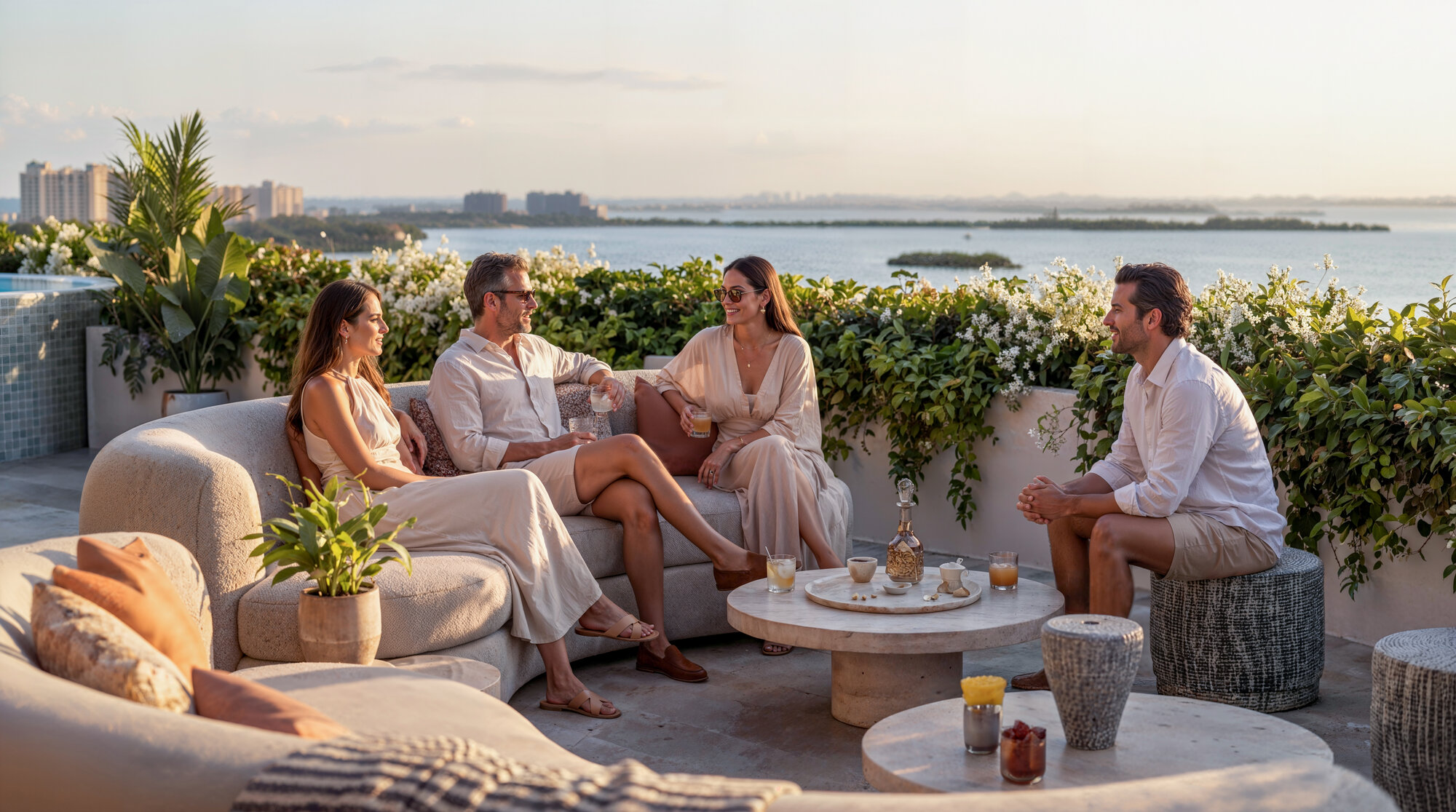
Such spaces allow residents to reconnect with themselves. They become refuges where time slows, and the mind can wander freely. This is a rare gift in today’s hurried world.
Learn about how architecture influences mental health and creativity.
Creating Open Spaces That Breathe
In luxury homes, open areas are often called "breathing" spaces because they bring life and energy. These spaces let light and air flow freely, helping the mind and body relax.
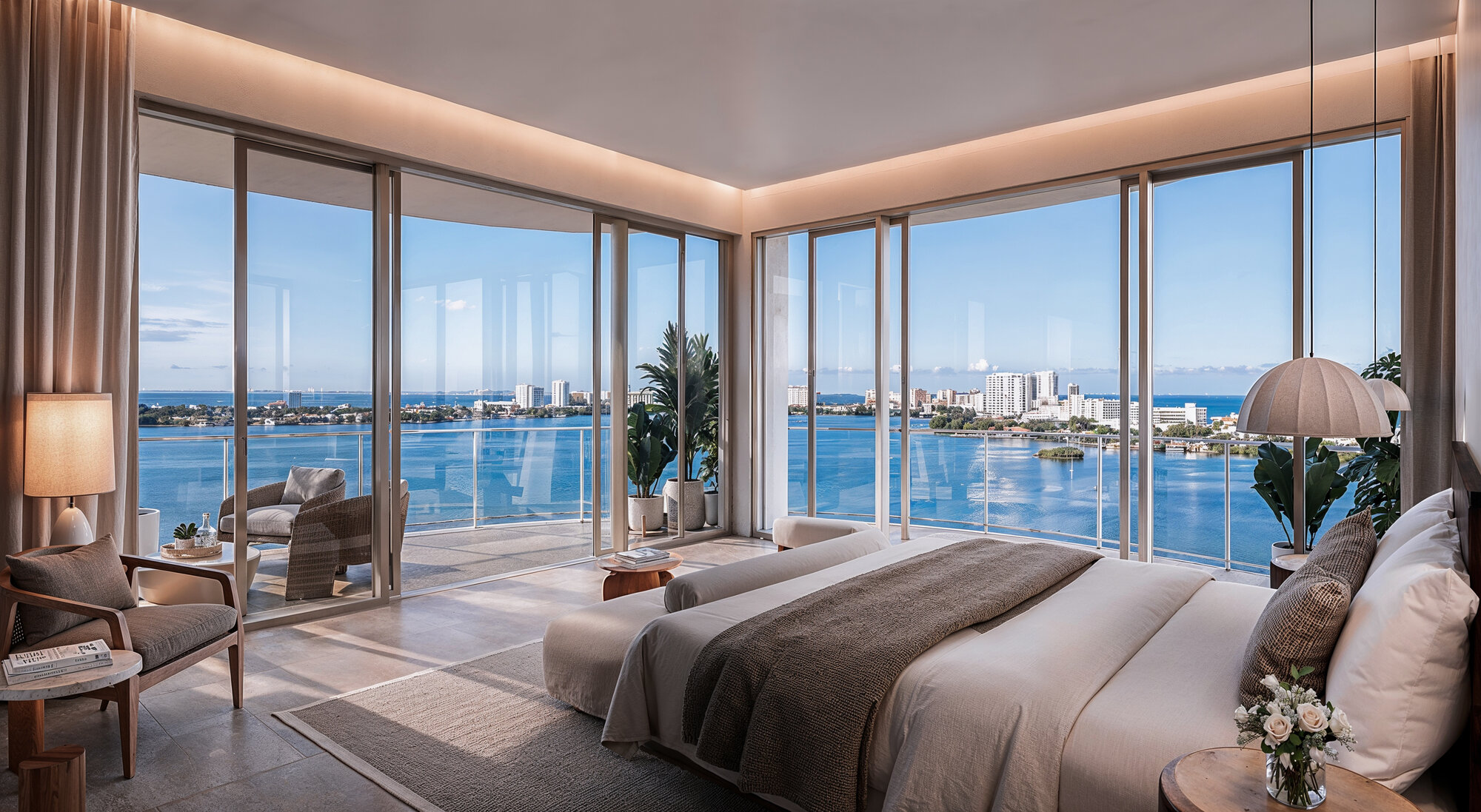
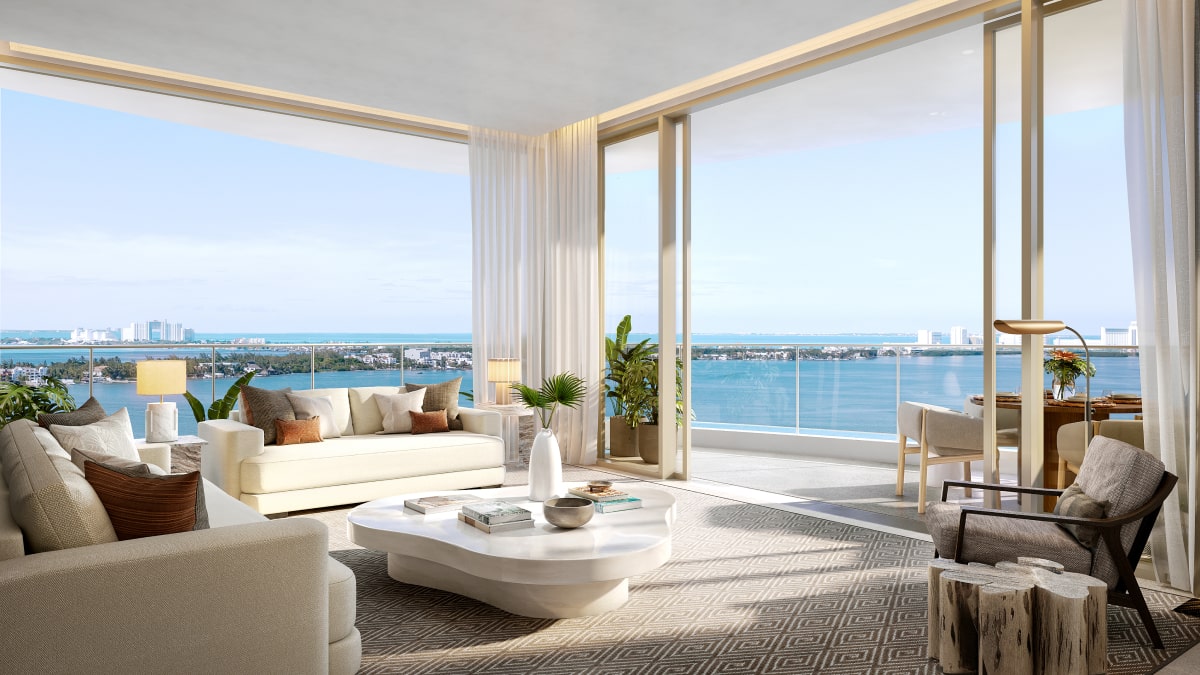
One Laguna perfectly captures this idea. Its design blends indoor and outdoor spaces using the golden ratio, natural light, textures, and wide views. Every detail—from ceiling height to hallway width—is carefully planned to feel open yet cozy, spacious yet intimate.
The residences open toward the lagoon, dissolving boundaries between built environment and nature. Here, open spaces are not voids but living rooms of the earth and sky. The gentle rustle of leaves, the soft ripple of water, and the warmth of sunlight become part of the home’s materiality.
This thoughtful design offers a peaceful escape from the busy, crowded world. It invites residents to breathe deeply, be present, and enjoy the quiet joy of living in a space that feels naturally balanced.
See how One Laguna’s open space design enhances luxury living.
The Timelessness of Sacred Geometry in Contemporary Living
Sacred geometry like the golden ratio is not a relic of the past but a living language. At One Laguna, it is woven into contemporary architecture with sensitivity and care.
This geometry respects the site’s natural contours—the lagoon’s edge, the shifting light, the breeze patterns. It is a dialogue between place and design, where every angle and curve responds to the environment’s silent cues.
Such timelessness is essential to creating homes that endure in both form and spirit. They do not shout but whisper, inviting a slower, more mindful way of inhabiting space.
In this way, One Laguna transcends trends. It offers a refuge that honors the past and embraces the present, where geometry becomes a vessel for well-being.
For a deeper understanding, explore When the lagoon designs the home and discover how nature’s patterns shape our living spaces.
Conclusion: Geometry as the Breath of Architecture
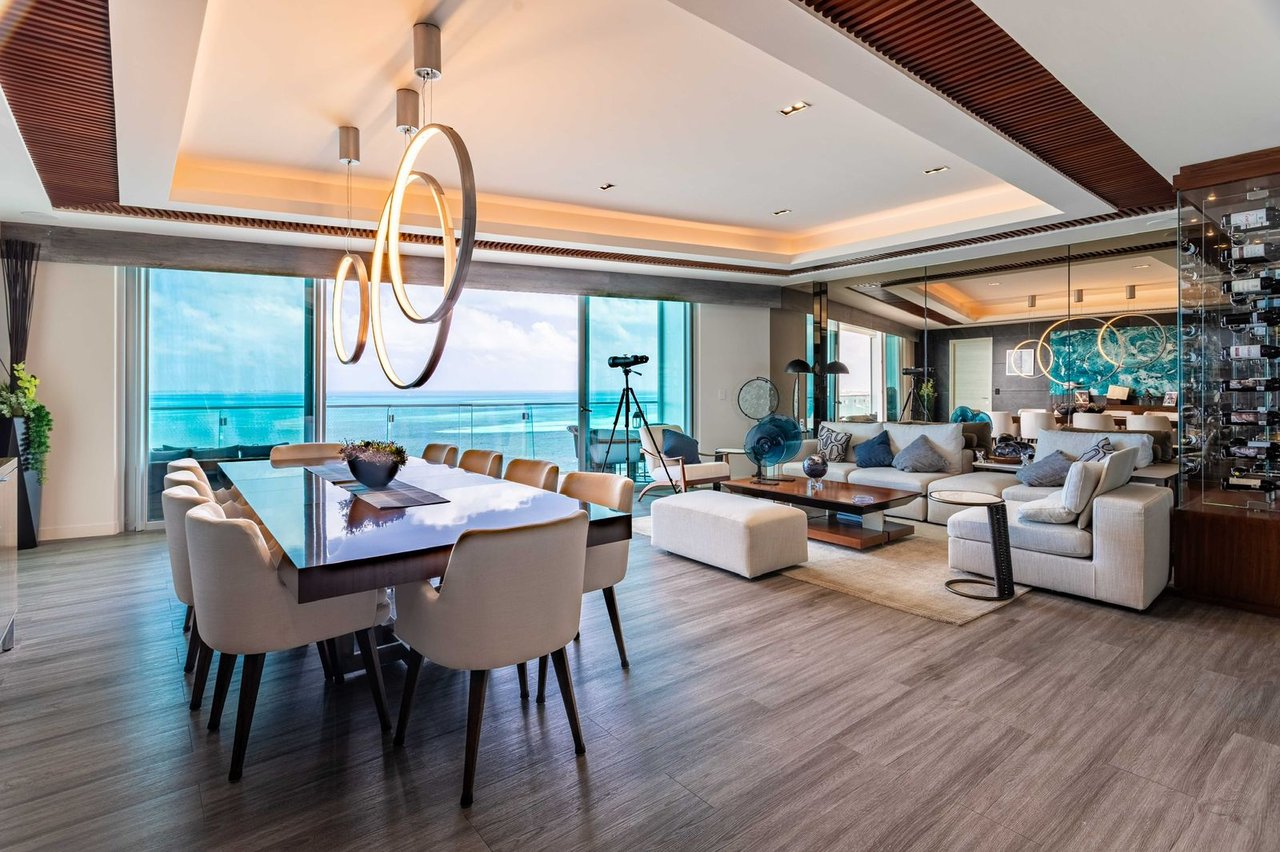
The geometry of well-being is a timeless idea that turns architecture into art that heals and inspires. By using proportion carefully—guided by the golden ratio and ancient spatial patterns—luxury homes like One Laguna become more than houses. They become living spaces that restore, uplift, and connect us with nature and ourselves.
In these open spaces, breath is more than air. It is the rhythm of balance, a quiet pulse that sustains body and mind. It is the geometry of well-being made visible—an architecture without ego, where silence and space become the ultimate luxury.
Explore more about luxury home design principles and discover how One Laguna’s architectural features create harmonious living environments.