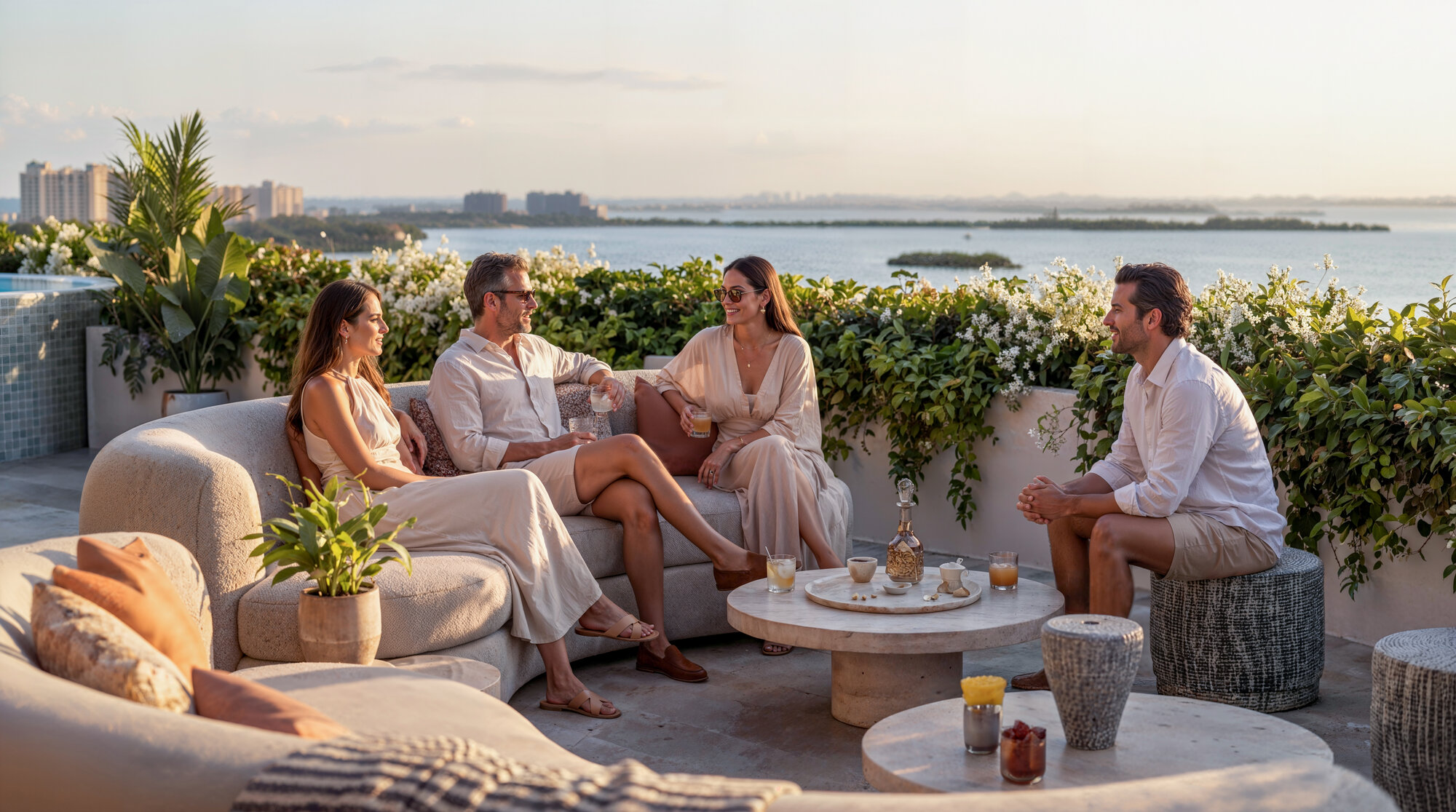

The art of living on water: lakeside life at One Laguna
At One Laguna, Nichupté Lagoon is not scenery — it is a conversation partner. A daily dialogue between architecture, light and silence.
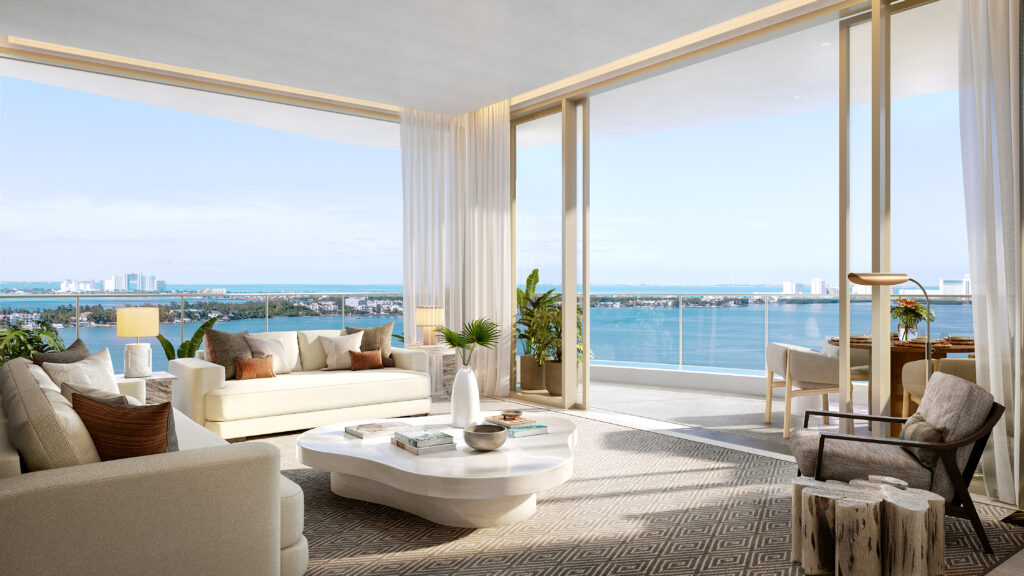
The Art of Living on Water: Lakeside Life at One Laguna
At the northern edge of Cancun, where the Caribbean Sea meets a peaceful lagoon, One Laguna asks a simple question: What does it mean to live on water today? Here, life is about living in harmony with nature, not controlling it. One Laguna is more than a home; it invites you to embrace water as a way of life.
The Lagoon as a Living Partner
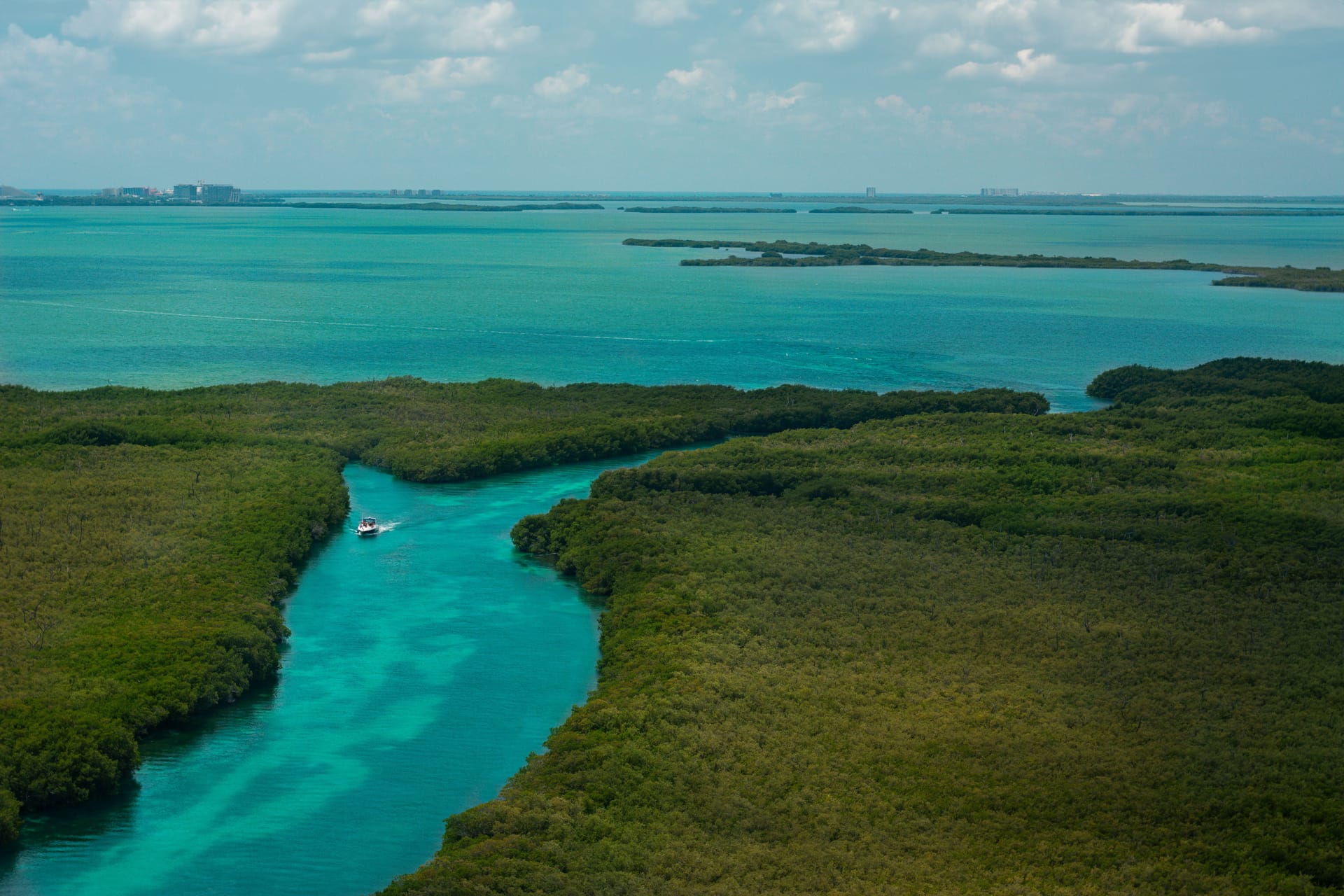
Nichupté Lagoon offers more than a beautiful view. Spanning over four thousand hectares of mangroves and warm Caribbean waters, it is a rich and delicate ecosystem full of life. Living beside the lagoon means adopting a new mindset: to respect and listen to nature, not to control or exploit it.
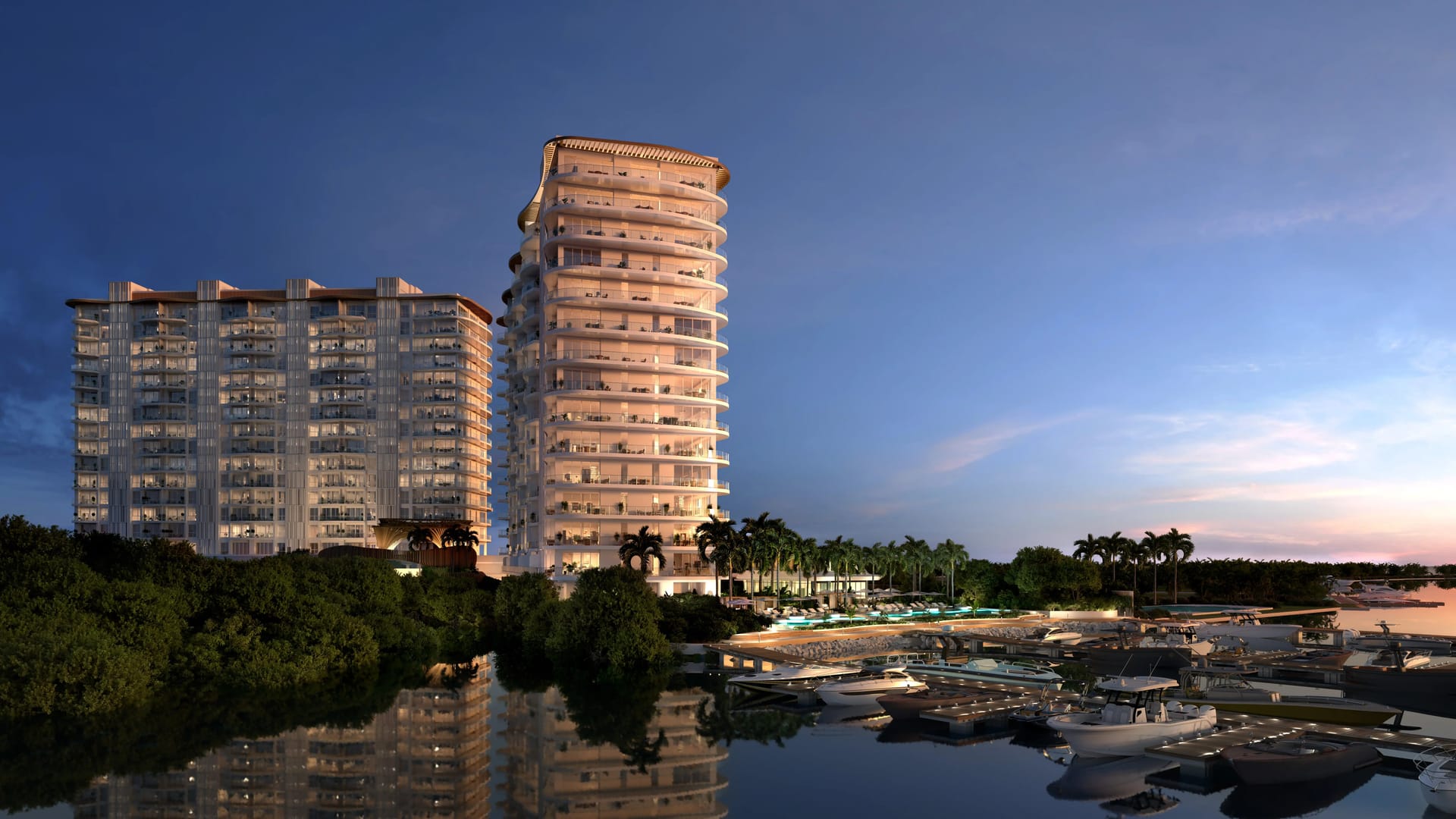
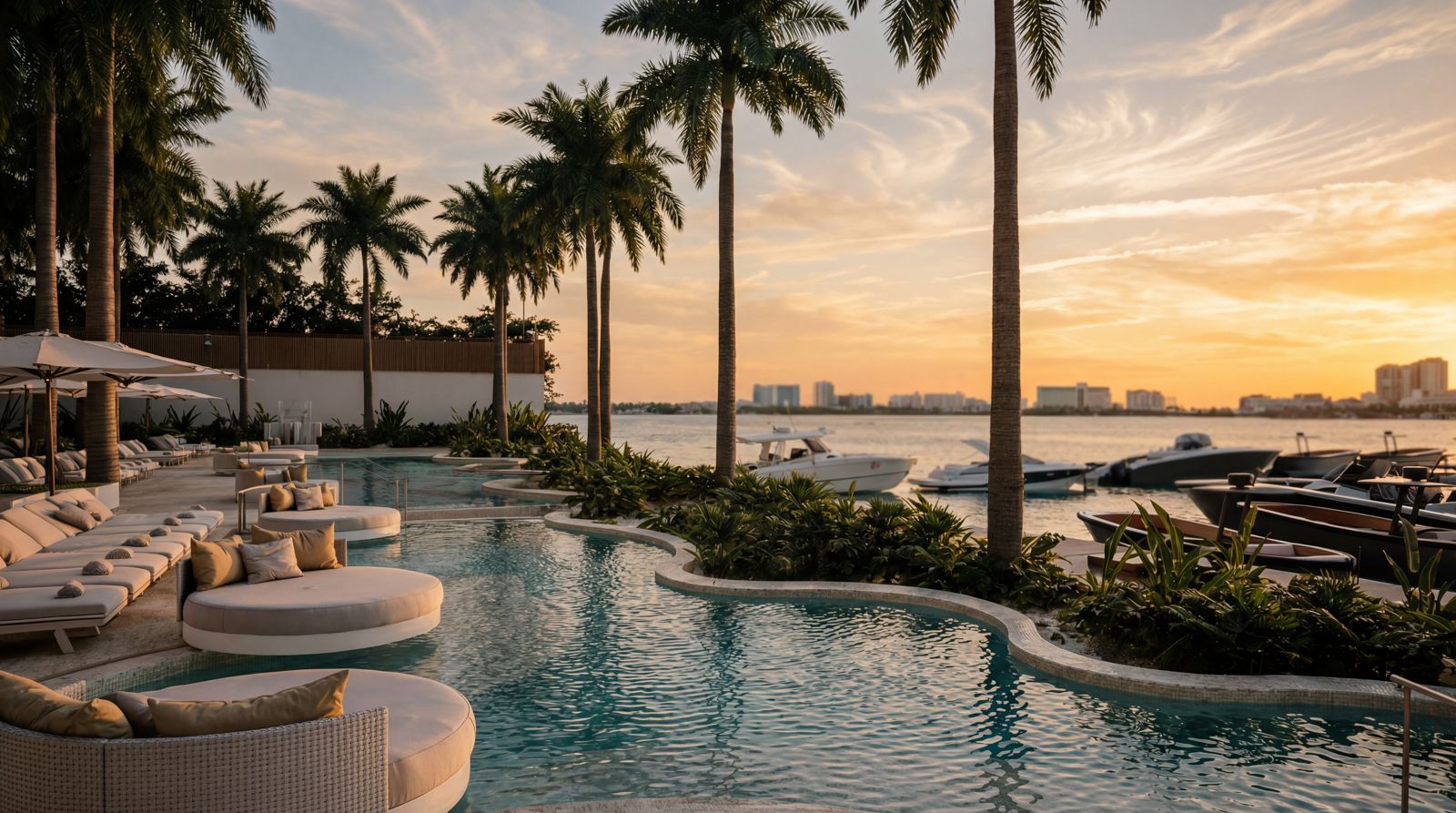
This respect influences every aspect of One Laguna’s design. The towers are placed to catch natural breezes and sunlight, while terraces gently reach toward the water. The marina blends naturally into the shoreline without disruption. The core idea is simple: the lagoon existed long before One Laguna, and the project honors this legacy.
The lagoon is not just a backdrop but an active part of daily life. It shapes routines and blurs the line between nature and home, inviting residents to live more mindfully and peacefully.
Mangrove roots dip into the water like the fingers of time itself, anchoring a world that evolves quietly with each tide. Herons and pelicans trace slow arcs through the sky, while the water’s surface shimmers with the subtle dance of light and shadow. This living environment teaches patience and reverence—a lesson absorbed by those who call One Laguna home.
Architecture That Listens to Nature
HKS Architects, known for projects like Los Angeles’ SoFi Stadium, designed One Laguna with a different vision. Instead of imposing grand structures, they created buildings that respond to the landscape.
The design uses natural materials that age gracefully, with shapes and lines that reflect the soft light on the lagoon’s surface. The towers rise quietly, blending into the horizon rather than dominating it.
“We did not want a building that dominated the view. We wanted a building that could be seen from the view.”
This thoughtful approach lets the architecture honor the water’s edge with balance and grace. It creates a harmonious connection between the buildings and the environment, shaping a living experience influenced by both.
Materiality here is a language of subtlety. Stone, wood, and glass are chosen not for ostentation but for their ability to age with dignity, echoing the slow passage of time witnessed by the lagoon. The lines of the towers mimic the gentle ripples on water, softening the boundary between built form and natural landscape.
For those who cherish the dialogue between place and presence, this architecture offers a quiet refuge where every detail matters. The project’s ethos resonates with the ideas explored in Silence as Luxury: Architecture Without Ego, where restraint is the highest form of elegance.
Quiet as the New Luxury
Luxury today is no longer about flashy displays. At One Laguna, true luxury is found in quiet moments: the calm of dawn, waking without noise, and stepping from your home straight onto the water.
With 211 elegantly designed condominiums, 42 private boat slips, and two harmonious towers, One Laguna offers a peaceful sanctuary. It provides a refuge from the noise and rush of everyday life.
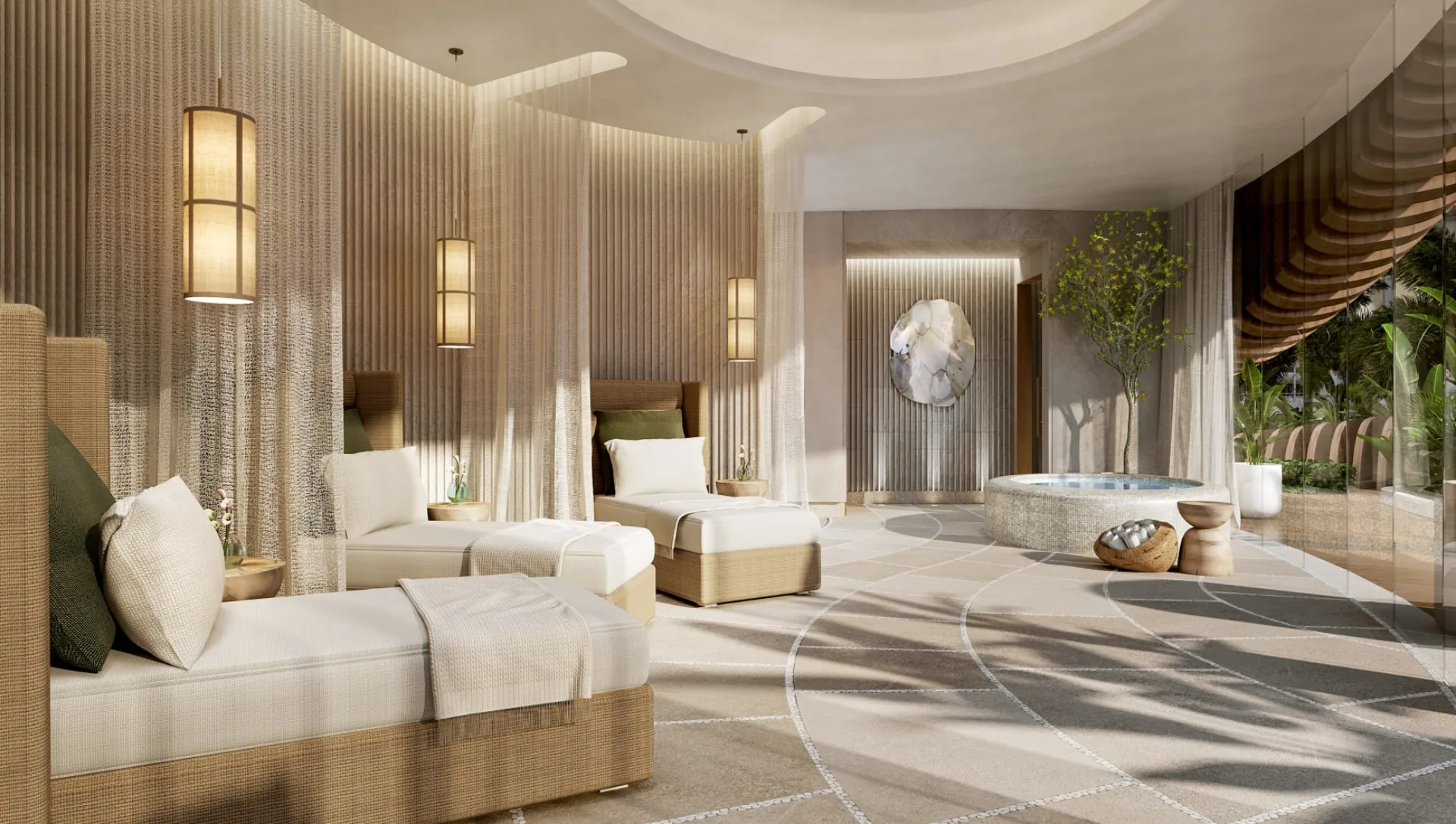
Here, time slows down. The mind finds rest. The soul enjoys the simple beauty of water, sky, and light. The absence of excess allows the senses to attune to subtle pleasures: the gentle lapping of water against the dock, the caress of a breeze through an open terrace, the soft glow of twilight settling over the lagoon.
This is the essence of lujo silencioso—luxury not shouted, but whispered. It is a life where silence becomes a companion, and stillness, a luxury. To understand this shift in values is to glimpse the future of refined living, a future embodied by One Laguna.
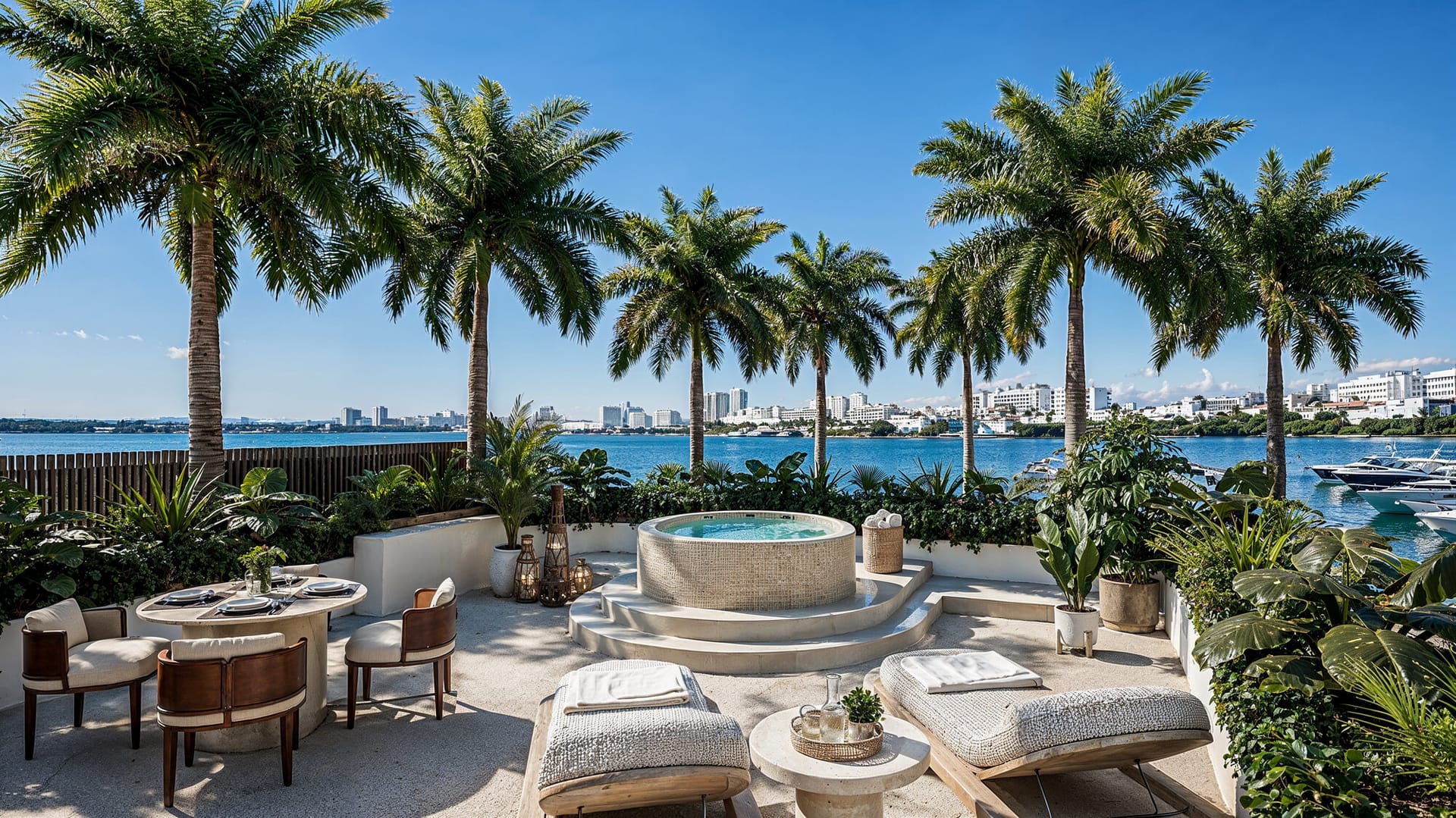
Lakeside Living: A Unique Rhythm
Life on Nichupté Lagoon is different from life on the open coast. The lagoon is calm and enclosed, with a soft, inward-folded surface. It holds quiet moments: herons gliding at dawn, fish circling below, and night lights sparkling like stars on water.
Living here means embracing a slower, more patient pace. When undisturbed, the lagoon becomes a perfect mirror, reflecting the sky and world above.
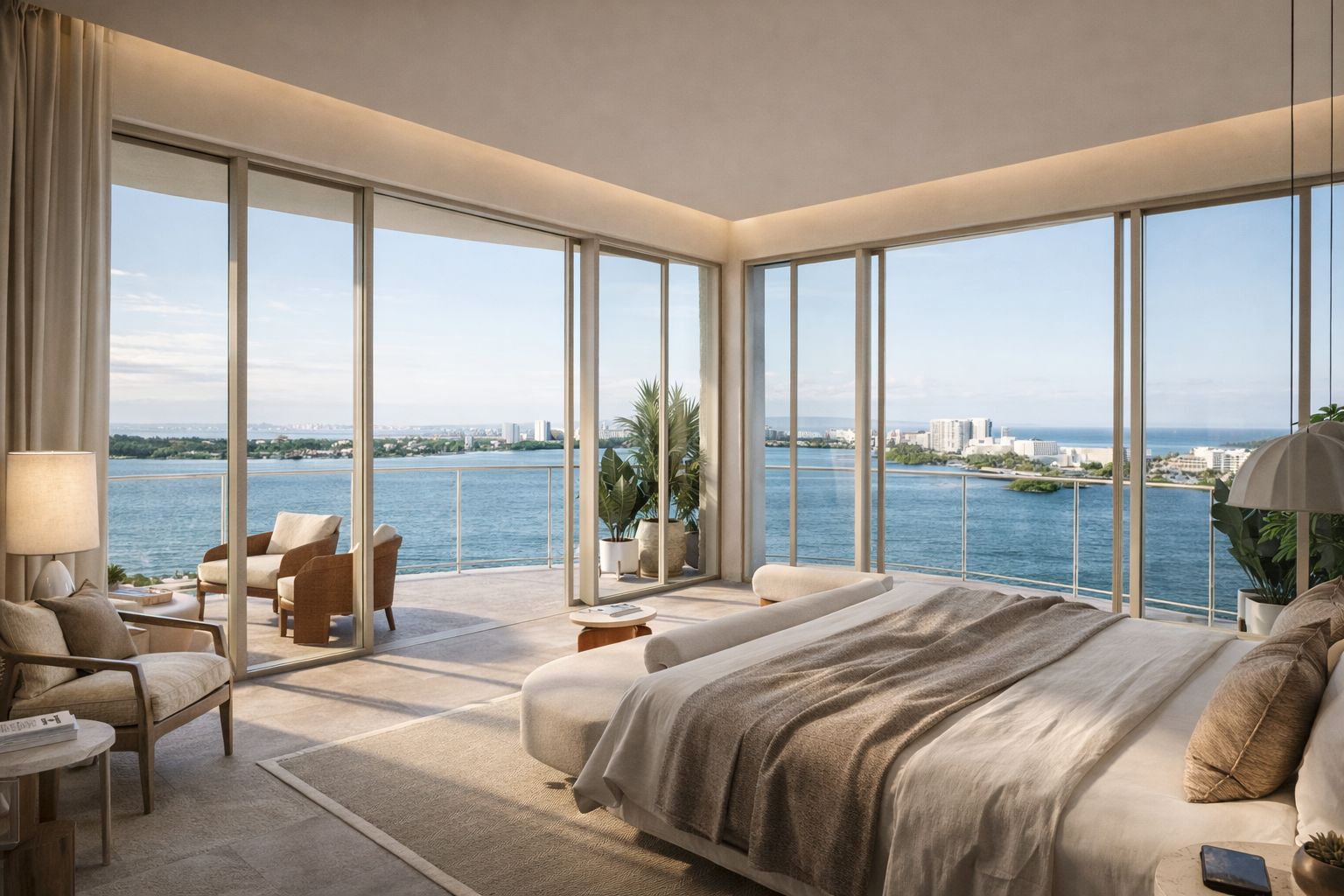
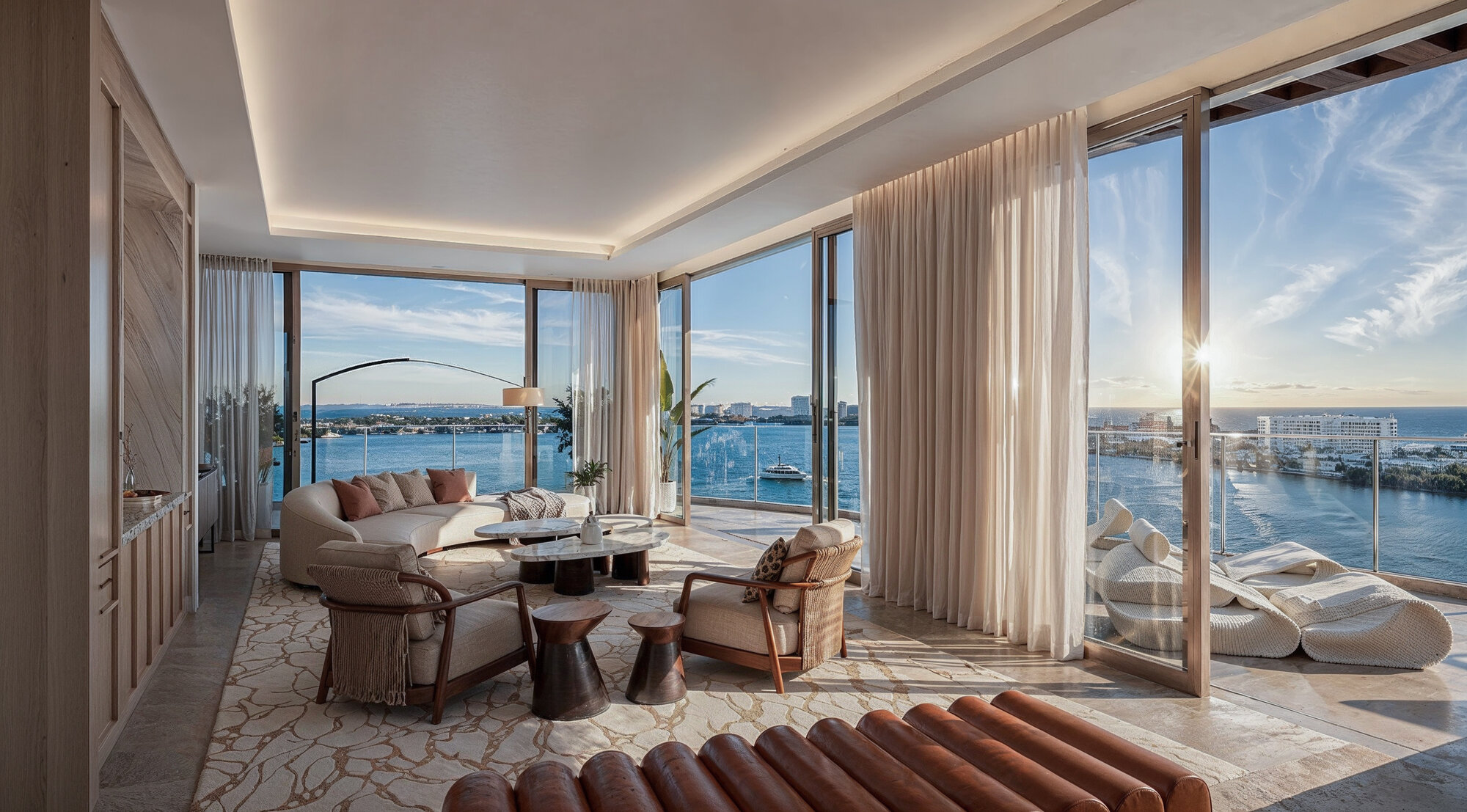
Homes at One Laguna are private sanctuaries designed for peaceful living, not show. Watching the changing light and water is not passive — it is a meaningful way to experience life. Explore the residences and views in detail.
This rhythm extends beyond the senses to influence daily habits. Morning might begin with a kayak gliding silently through mangrove channels, a quiet communion with nature. Afternoons invite long conversations on shaded terraces, where the sunlight filters through leaves like a soft hymn.
The lagoon’s gentle pulse invites reflection and presence. It is a living counterpoint to the frenetic pace of urban life, a reminder that time is best measured not by clocks, but by tides and light.
A Lifestyle in Harmony with Nature
Living at One Laguna means living in balance with nature. It is a life of respect, calm, and real connection. Whether paddling through mangroves in the morning, relaxing on a private terrace at sunset, or enjoying a quiet evening by the water, life here flows naturally.
One Laguna redefines luxury by inviting residents to slow down, listen, and find joy in the simple rhythm of lakeside living. Discover the full One Laguna lifestyle.
This way of life reflects a broader trend in Cancun’s evolution, where the city transforms from a vacation hotspot into a place of enduring residence and thoughtful design. For those curious about this transformation, the article Cancun redefined: from vacation destination to premium residence offers a deeper look into the region’s new identity.
The return of smart money to the Caribbean, seeking sustainable and meaningful investments, also underscores the appeal of developments like One Laguna. This is not just real estate; it is a commitment to place and time, a dialogue between human intention and nature’s cadence, explored in The return of smart money to the Caribbean.
When the Lagoon Designs the Home
One Laguna’s unique position on Laguna Nichupté allows the water itself to shape the living experience. The project embraces a philosophy explored in When the lagoon designs the home, where architecture yields to the natural contours of the landscape.
The residences are oriented to maximize views of the lagoon’s ever-changing reflections. Open spaces become extensions of the water, blurring boundaries between interior and exterior.
This approach fosters a deep connection to place. Residents awaken to the subtle shifts of light on water, the gentle breezes that carry the scent of mangroves, and the quiet presence of wildlife at the doorstep.
Here, the home is not a fortress but a porous space, inviting nature’s rhythms to enter and shape daily life. It is a reminder that true luxury is found not in isolation, but in harmony.
At the meeting point of water and sky, where nature’s strength meets human creativity, One Laguna stands as a symbol of timeless living. Every moment here invites you to rediscover water—not as a barrier, but as a presence to welcome and cherish.